A senior check-in: living in the middle
Campus, Feature February 24, 2026, Comments OffAs the second semester continues, graduation feels both inevitable and strangely surreal. For many seniors, the concept of leaving campus does not come as a single spark of clarity. Instead, it sets in gradually through repeated questions, looming deadlines, and quiet realizations that certain habits will not last much longer. There is excitement, anxiety, confidence, and denial all at once. Rather than being finished, many seniors feel stuck somewhere in the middle.
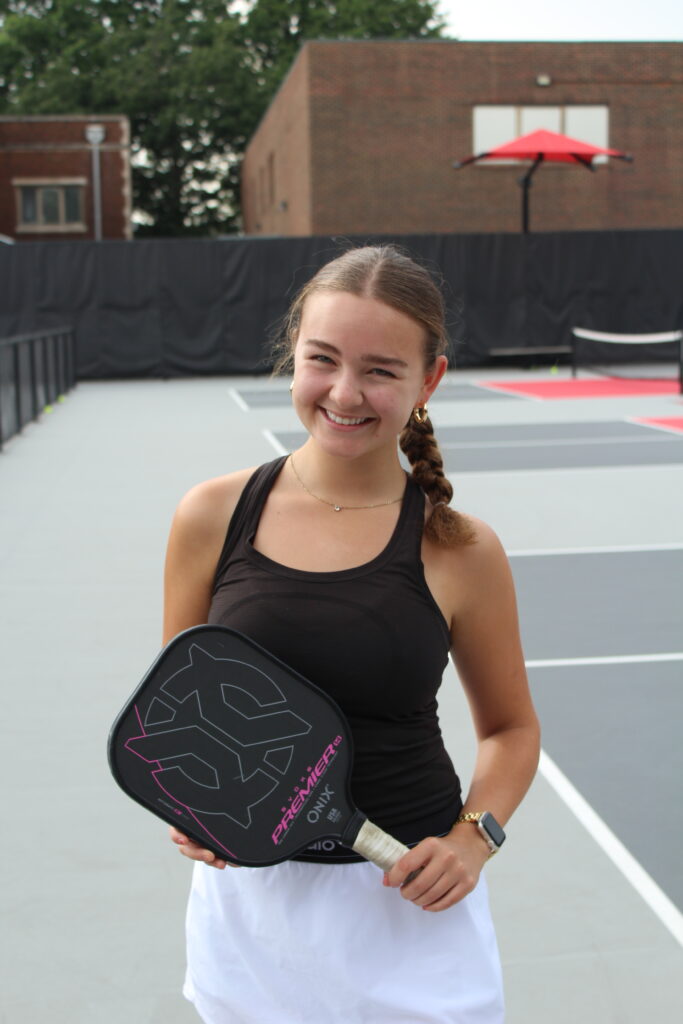
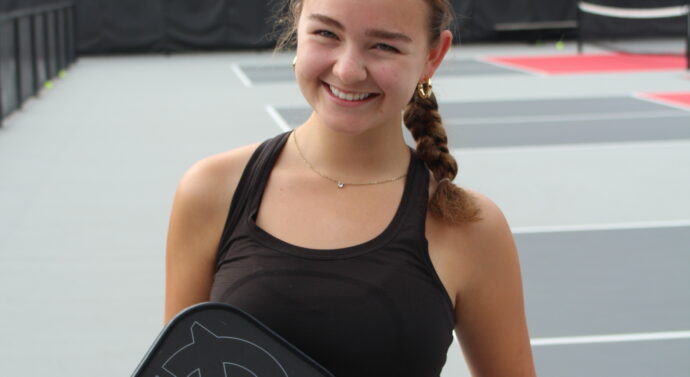
Abbey Oliver says the reality of graduation hasn’t completely hit her. She says, “I feel like I’ve been asked this question so much this past week. Honestly, I don’t know how I feel.” She admits that she is partly in denial. Even though she knows it’s her senior year of college, she doesn’t feel old enough.
“I don’t feel this old,” Abbey says. “But I am, so it’s kind of crazy.”
At the same time, she is optimistic. Looking back on her time at Drury, Abbey is confident in the preparation she received and hopeful about what lies ahead. For Abbey, preparing for graduation includes more than just career preparation. It’s about being present. She’s focused on soaking up the moments that make college feel like college, such as spending time with friends, supporting school events, attending games, and keeping connected to her teammates.
“I’m just trying to soak up the Drury community and really be appreciative of how good I have it right now,” she says.
Along with that, she’s making conscious efforts to build ties with teachers and mentors, knowing that such connections will be important after graduation. When Abbey thinks about what she will miss the most, she immediately thinks of people. Her Pi Phi sisters, teammates, instructors, and coaches all shaped her experience in ways that she believes are fundamentally connected to her education. She credits her professors with helping her in recognizing strengths in herself that she was not always aware of. Their encouragement gave her the confidence to persevere.
Her advice to underclassmen is simple but intentional: show up. Participate in activities, accept opportunities, and spend as much time as possible on campus.
“Even if it’s something small, like studying on campus with friends—just being here matters,” Abbey says.

Avery Dorweiler‘s feelings about graduation are more immediate and overwhelming. When asked how she feels as a senior, she responds quickly and honestly: “stressed.” With so many changes happening at once, Avery says that thinking too far ahead can be paralyzing.
“If I think too much about the future, I start freaking out,” she says. “So, I’m just focusing on the here and now.”
Avery’s priority right now is to finish the semester strong. After graduation, she intends to take a year off and go to Phoenix to be with relatives. Because she has not yet begun the next chapter of her academic journey, she finds it difficult to completely evaluate her preparedness for what comes after Drury. Nevertheless, she recognizes the practical skills she gained from her education, particularly in her field of study.
For Avery, one of many important skills she acquired at Drury was how to read and analyze scientific research. Learning to break down articles, interpret findings, and write concisely were skills she did not have before college. Those skills, she believes, will be helpful regardless of where her journey leads. When she reflects about what she’ll miss the most, she says it’s the everyday ease of college life, studying with friends, being able to change scenery quickly, and having familiar places to work.
“Sometimes, you just need a change of scenery,” she says. “Being able to come to campus and study whenever you want—that’s something I’ll miss.”
Her advice to upcoming seniors emphasizes the importance of balance: focus on your work, but also remember to rest, use campus resources, and take advantage of the small perks while they last.
“Give yourself some free time,” Avery adds. “And definitely eat at Einstein’s as much as you can.”
Hope Kassel expected her final semester to be more stressful than it has been. While she does not feel totally prepared for life beyond college, she has been surprised by a sense of peace.
“I don’t think I’m ready to be an adult,” she says. “It’s always been school. Now, it feels like a whole new chapter.”
She explains that Drury has served as a protective bubble, defined by routine, community, and shared experiences. Even though she understands the importance of moving on, leaving the structure of college is daunting. Hope, an architectural and graphic design double major, says her college experience has been demanding, with little free time. Still, she finds comfort in sharing her post-graduation plans with friends, especially because some of them will be nearby. She also appreciates her internship and hands-on coursework that have provided valuable preparation for her future career. More than anything, Hope feels that Drury fostered confidence in her.
Small class sizes and close relationships with instructors encouraged her to share ideas publicly and trust her own perspective.
“A lot of our classes make you stand up in front of people and share your ideas,” she says. “That really teaches you to be confident in who you are.”
Hope says friendships are the most lasting part of her experience. Relationships she built early in college lasted throughout her five years at school, grounding her experience and defining who she is today. As she nears the end, she feels a sense of accomplishment.
“I look back and I’m like, wow—I’ve done a lot more than I thought I would,” she says.

Kelly Karre shares a similar sense of conflicted readiness. As graduation approaches, she feels both excited and uncertain. While her education offered a foundation, she believes that she will learn more once she is working in her field. This awareness has made the job search more intimidating.
“You don’t really realize how hard it is to get a job until you’re actually doing it,” Kelly says.
Despite her worries, Kelly says she will miss the social aspect of college the most. Living on campus made it easy to connect, and friendships formed naturally through everyday interactions. Beyond campus life, Kelly reflects on experiences that influenced her perspective, such as her time spent studying abroad in Paris.
“That trip really changed my perspective on things,” she adds.
As graduation approaches, Kelly reflects how much her life has changed in a short period of time, and how those changes will continue beyond college.
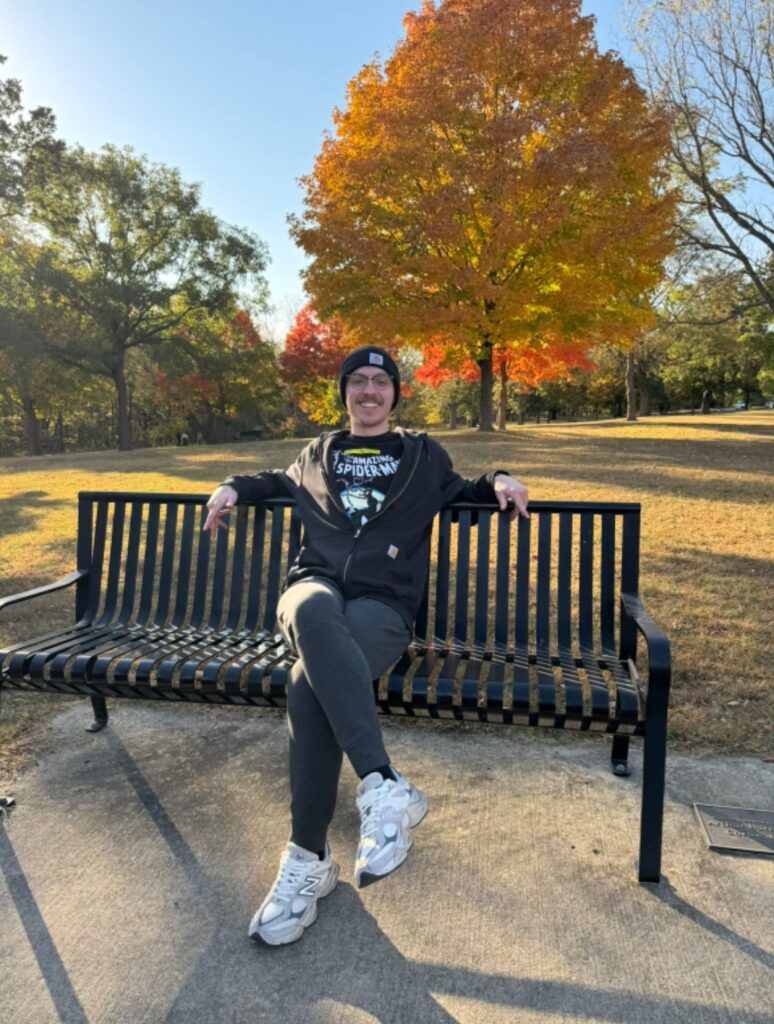
Layden Halcomb describes the senior year as loaded with conflicting emotions. Underneath the stress and anxiety, he feels excited.
“It’s stress, anxiety, and kind of a void,” Layden says. “But underneath all of that, there’s excitement.”
Nonetheless, he’s been actively planning for what comes next. Layden has applied to several graduate programs and hopes to earn a PhD in computer science. At the same time, he’s considered other possibilities, such as entering the workforce and obtaining professional experience.
When reflecting on Drury’s role in preparing him, Layden defines academic and real-world preparation.
“Drury really taught me how to learn,” he says. “That’s probably the biggest thing I’ll take with me.”
Layden expects to miss the routine of college life and the relationships he built with professors. As that structure disappears, he will have to rethink his sense of direction. Looking back, he wishes he had been more social early on. Connecting with people from various backgrounds influenced his viewpoints.
“Try to understand where people are coming from,” Layden says. “Every day is a new day to learn who you are.”
After graduation, Layden says he will keep that idea, of approaching people with an open mind, with him. His advice to upcoming grads reflects that mentality: keep an open mind, never stop learning, and understand that every experience shapes who you are.
“No matter what happens,” Layden says, “it’s always a learning experience. That’s what helps you move on to the next thing.”
A consistent pattern emerges throughout these discussions. Graduation is more than just the end or the beginning; it is a time of reflection, uncertainty, and transition. Even as the future becomes clearer, seniors continue to attend classes, make plans, and spend time with their friends. For now, they’re learning to sit in the middle, enjoying where they are while anticipating what comes next.
Photos courtesy of subjects.
Author
