The evolution of Frankenstein
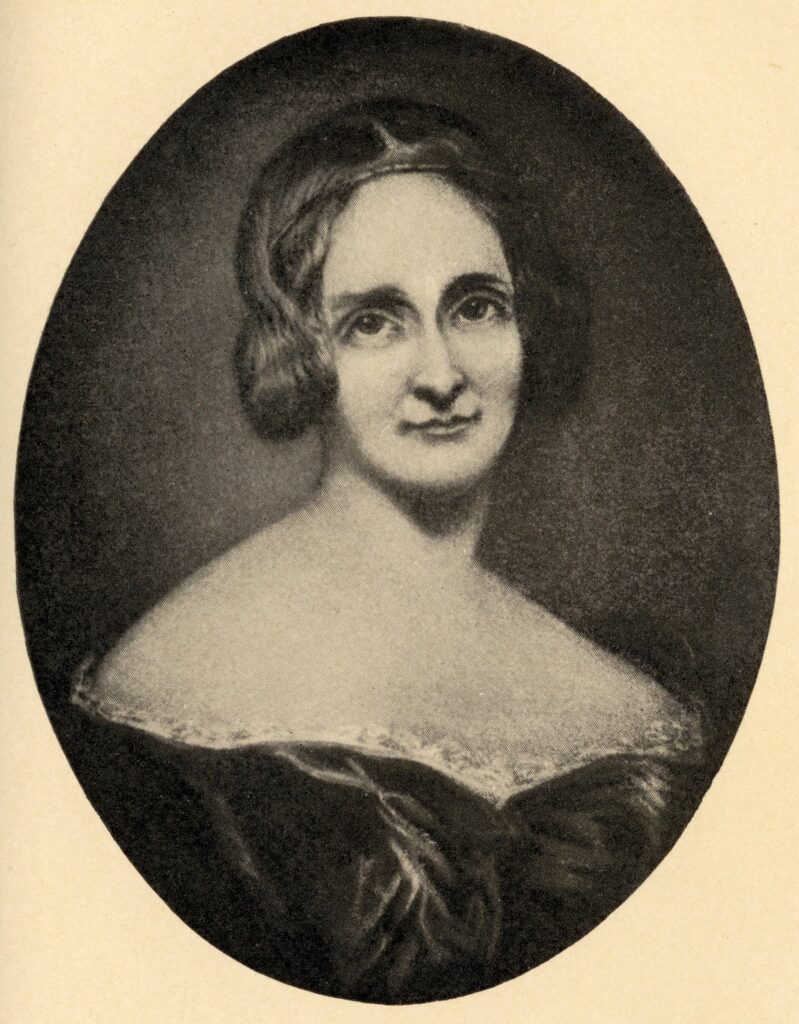
Entertainment November 19, 2025, Comments OffIs one born with humanity, or can it be created? In Mary Shelly’s Frankenstein, the idea of what it means to truly be human is challenged through an intriguing narrative: a monster and its creator. Capturing the hearts of many, the 1818 tale of Frankenstein became a cult classic that can’t help but be discussed.
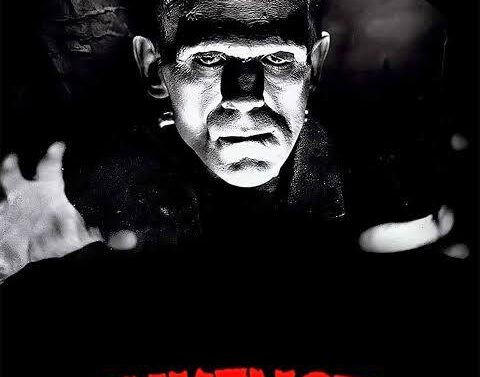
Typically, when one thinks about the monster of Frankenstein, the image of Boris Karloff’s portrayal in 1931 comes to mind. Offering a dramatized version of Mary Shelly’s monster, the film directed by James Whale explores Dr. Frankenstein’s journey of resurrecting a constructed human corpse. This later results in a violent and terrifying creation that is not entirely human.
While the film became a landmark in the horror genre and had a significant impact on pop culture, it lacked accuracy to Shelly’s original text. Whale’s created his own character by taking creative liberties that transformed Shelly’s monster into a frightening animation.
Filmmakers often wrestle with the task of interpretation. It can be risky to stray from the original plot of a story, knowing that fans might be disappointed by differences from the source of work.
Dr. Kevin Henderson, Director of Film Studies and Professor of Literature at Drury University, comments on the importance of film adaptation. “A film adaptation of a classic work helps new audiences better understand the themes and complexities of an older literary work…I think that’s the best reason for adapting classics to the screen,” says Dr. Henderson. Film allows for storytelling to grow outside of a novel’s pages.
Director Guillermo del Toro took on the challenge of creating his own interpretation of Frankenstein. Released in fall of 2025, del Toro explores a darker side of the story. Through a heavy focus on symbolism, biblical references like the creation of man help to explore themes of abandonment and greed.
Dr. Frankenstein’s creature is revealed in a manner of innocence and curiosity, as his creator condemns him for his lack of intelligence. The creature is then left to live an immortal life on earth alone; he is misunderstood by the world around him.
Undoubtedly, Guillermo del Toro creates a cinematic experience that evokes emotions of empathy for the monster alongside feelings of hate for Dr. Frankenstein.
Drury University professor, Dr. Tim Robbins, is a personal fan of Mary Shelley’s original tale and shared his thoughts on del Toro’s interpretation, “When I look at films and literature, I always have to separate the literature project from the film project.” While del Toro’s Frankenstein took steps away from the original story, Dr. Robbins noted that inspiration from Shelley was evident.
Dr. Robbins shared that one of the things the film did well was capture the voice of the creature. In the film, the parallel storylines of Dr. Frankenstein and the creature mimic a similar style to Shelley’s novel. Viewers are able to directly connect with the creature after hearing his tragic experiences.
When Guillermo del Toro’s film is compared to James Whale’s film, it is apparent how vastly different they are. Still, they both capture a similar message.
Dr. Frankenstein, while a brilliant character, lacks foresight into what his creation will become. While the resurrection of his creation was possible, it had been “born” without a soul. It was a huge component of humanity and mortality. For viewers, it can be heartbreaking to see Frankenstein reject his creation.
Dr. Robbins says, “What monsters do is tell us how to be human. There is a reason we are still reading Mary Shelly’s Frankenstein. It connects with people.” It is a story of self-discovery and isolation. It highlights how one’s actions may make them inhuman, as well as how a creation could be more humane than its creator.
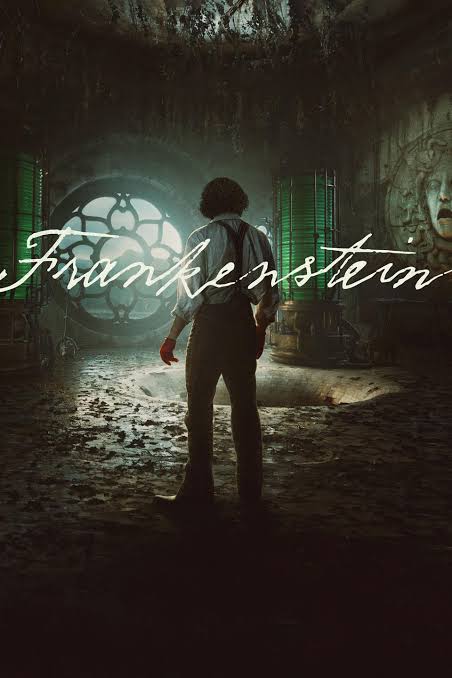
In the 2025 film adaptation of Frankenstein, the creator speaks to Dr. Victor Frankenstein saying, “Perhaps now we can both be human.” It is a powerful sentiment as the creature finds peace. Humanity forgives its creator, unable to live forever with resentment. In his death, Victor is able to find humanity and leave behind the miseries of life that tormented him. He is finally able to escape his wrongdoings.
Mary Shelley intended for the ending of her tragic tale to leave readers wondering about the monster’s fate. She writes about a monster that is not specifically immortal. There was a possibility for it to end its miserable and lonely existence through suicide, yet Shelley does not write of the monster’s final fate.
A story written over 200 years ago continues to challenge the minds of readers today. “Great literature has an impact over time, not just within the context of the time that it is written. Great films can do that too,” Dr. Tim Robbins explains.
There are thousands of stories inspired by the classic novel. While each may stray from the original text, it has opened a gateway for Mary Shelley’s work to be rediscovered by new generations.
Author
